Teak vs Poovarasam Wood — Which Cot Frame Lasts Longer?
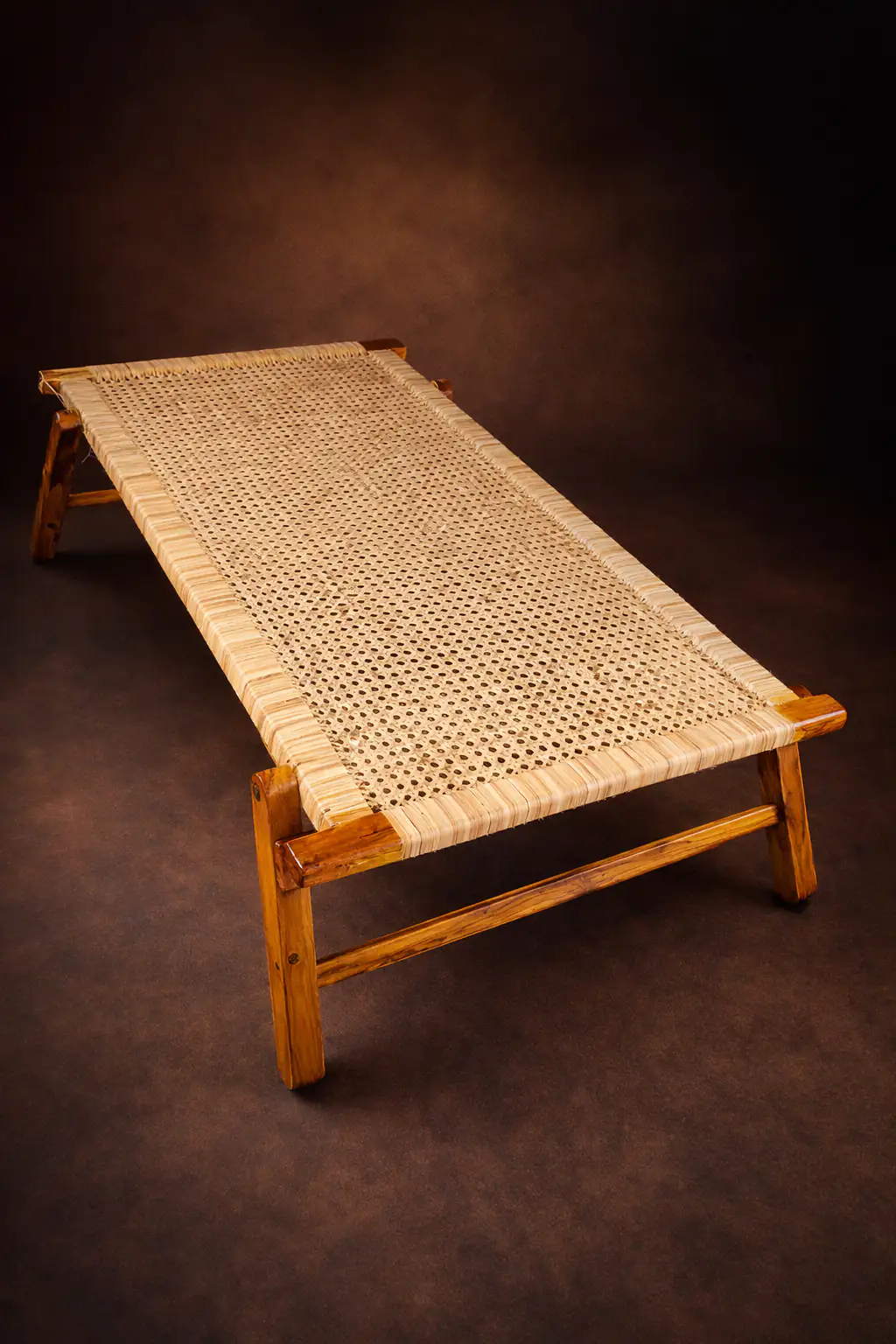
We build our cots with two different wood frames — solid teak and Poovarasam wood — and customers regularly ask which one they should choose. Here's a straight answer, based on how each wood actually performs over years of use, not just how it looks on day one.
Teak wood
Teak is the harder, denser, and more expensive of the two. It has a naturally high oil content, which makes it more resistant to moisture, warping, and insect damage over time — the same property that makes teak the standard choice for outdoor furniture and boat decks. A teak-framed cot is the closer-to-permanent option: it's built to last a lifetime with basic care, and it develops a richer, deeper grain color as it ages.
Poovarasam wood
Poovarasam is a lighter, more affordable hardwood commonly used in traditional Tamil Nadu furniture making. It's noticeably lighter to move around, which matters if the cot will be shifted between rooms or in and out of storage regularly. It's a durable wood for indoor use, though it doesn't have teak's natural moisture resistance, so it's better suited to covered, indoor placement rather than a semi-outdoor veranda that sees rain.
Side-by-side comparison
| Teak Wood | Poovarasam Wood | |
|---|---|---|
| Density / weight | Heavier, very solid | Lighter, easier to move |
| Moisture resistance | High — naturally oil-rich | Moderate — best kept indoors |
| Best placement | Veranda, semi-outdoor, or indoor | Indoor bedroom use |
| Typical lifespan | Decades with basic care | Many years with indoor use |
| Price | Higher | More affordable |
Our recommendation
If the cot will live on a veranda, balcony, or anywhere it might see humidity or occasional rain, go with teak. If it's staying in a bedroom or covered indoor space and you'd rather save on cost without sacrificing quality, Poovarasam wood is a genuinely solid choice — it's traditional furniture-grade wood, not a budget compromise.
Both frame types are available now — free delivery across India.
Browse Cots